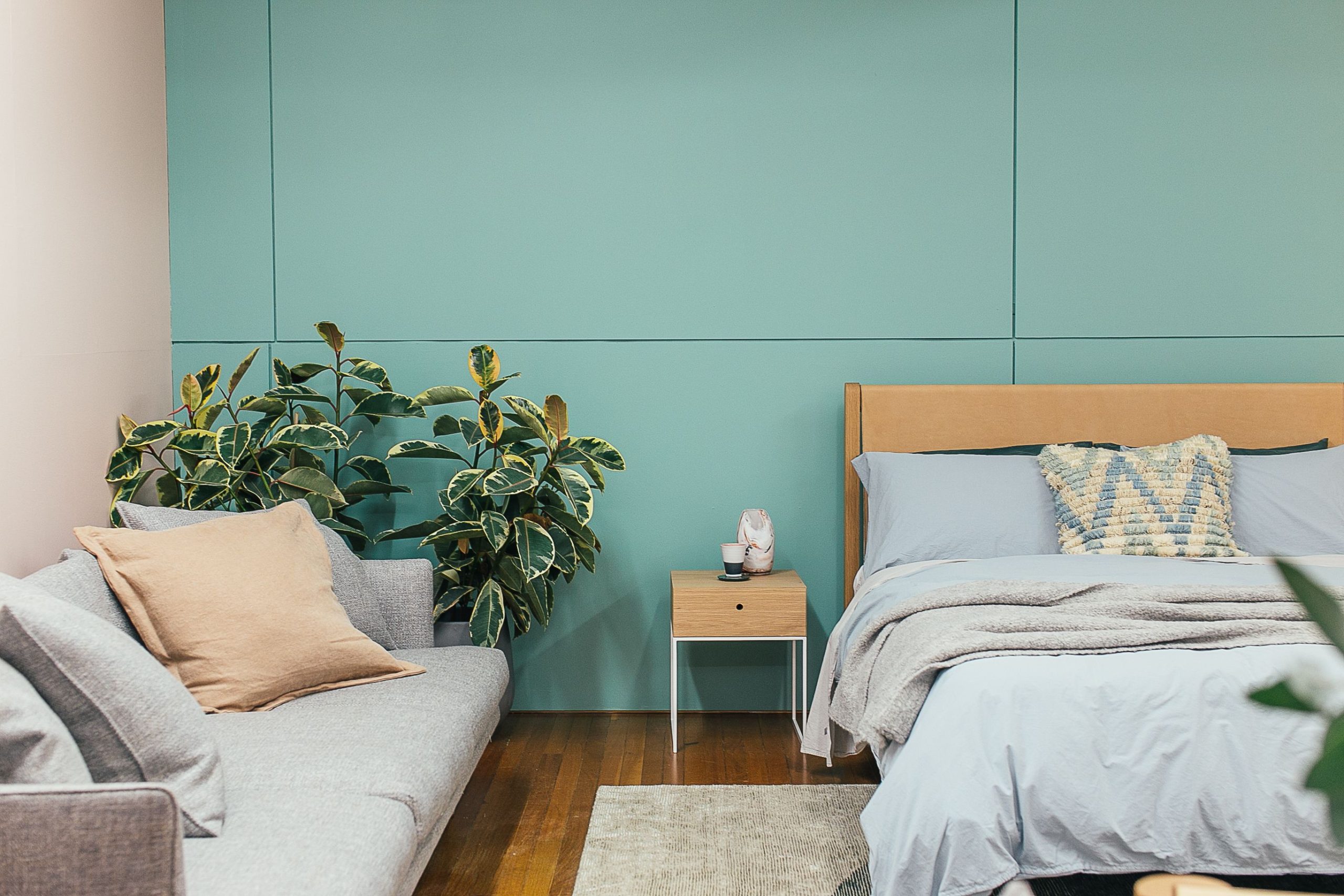
The bedroom is meant to be a refuge. It’s the one room where you shed the weight of the day, surrender to rest, and recharge for whatever comes next. Yet for many people, this sacred space is quietly working against them, filled with hidden pollutants, synthetic materials, and sensory clutter that disrupt the body’s ability to truly unwind.
Design choices in the bedroom go far beyond aesthetics. The paint on your walls, the fibers in your sheets, the foam in your mattress, and even the cleaning products you use all play a role in shaping how your body and mind recover each night. Science now confirms what intuition has long suggested: the environment you sleep in directly shapes the quality of your rest and, by extension, your overall wellbeing.
Building a calming, low-toxin bedroom isn’t about buying the trendiest organic pillow or overhauling your home in a weekend. It’s a thoughtful process of understanding what’s in your space, what it’s doing to your health, and how small, intentional swaps can transform your sleep sanctuary into something genuinely restorative.
Why Your Bedroom Air Quality Matters More Than You Think
Most people assume outdoor pollution is the biggest threat to their lungs. Inside your home, however, the air can be two to five times more polluted than the air outside. According to the U.S. Environmental Protection Agency, poor indoor air quality is linked to respiratory and cardiovascular illness, allergic reactions, cancers, and even premature death. That’s a sobering reminder that the space where you spend roughly a third of your life deserves serious attention.
The bedroom carries a unique burden. Research published through the National Center for Biotechnology Information found that nearly 100 volatile organic compounds are emitted at high concentrations in bedrooms during sleep, often exceeding levels measured elsewhere in the same home. These VOCs come from furniture finishes, mattresses, carpets, candles, and even personal care products sitting on your nightstand. While you sleep, you breathe them in for hours at a stretch.
The good news? You have more control than you realize. Ventilation, material selection, and routine cleaning habits can dramatically shift the chemical landscape of your bedroom. Opening windows daily, even for ten minutes in cold weather, helps dilute indoor pollutants. Adding a HEPA air purifier and keeping humidity between 30 and 50 percent discourages mold and dust mite growth simultaneously.
Choosing Non-Toxic Materials for Bedding and Furniture
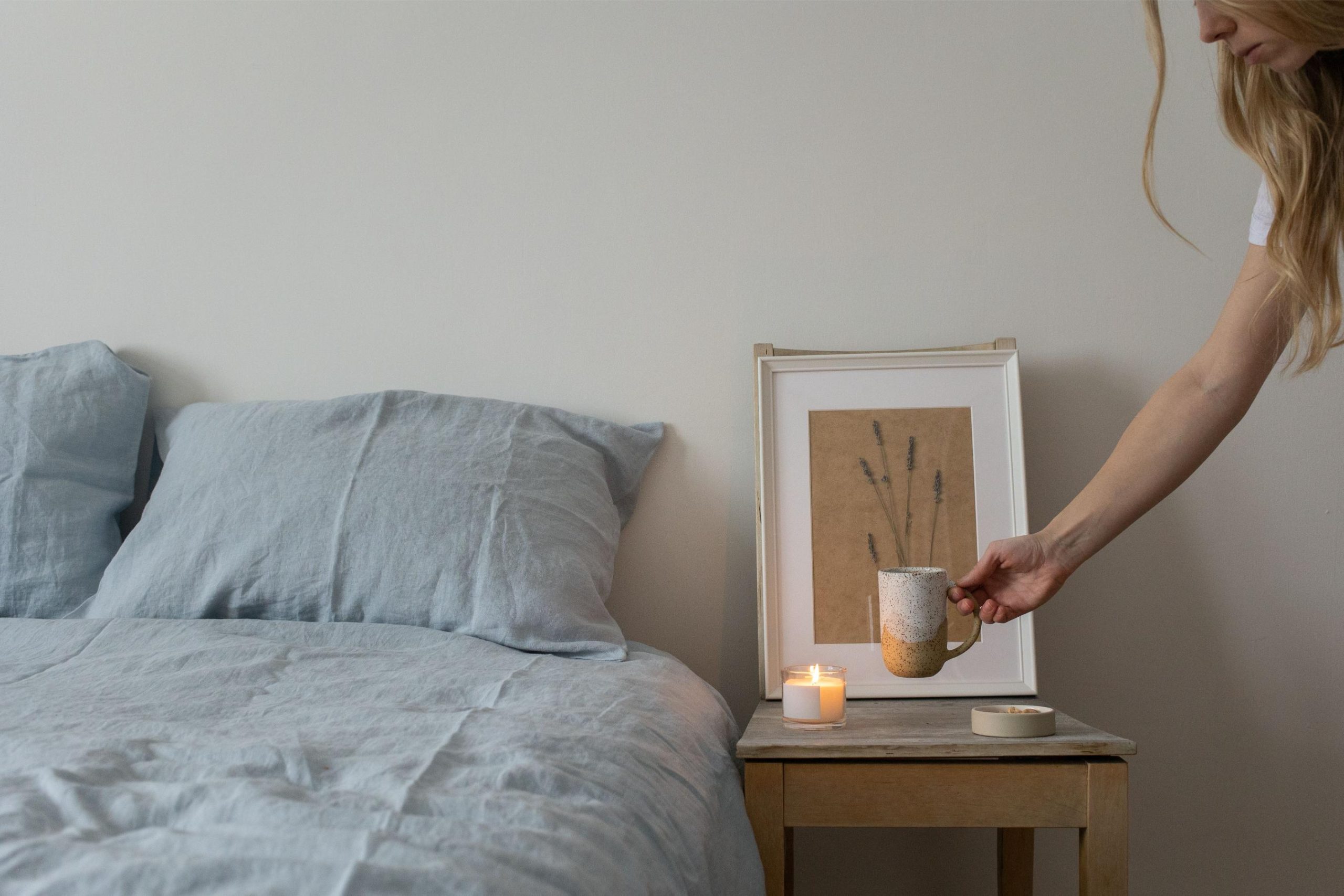
Your bed is the single largest piece of furniture you interact with, and what it’s made of matters. Conventional mattresses often contain polyurethane foam, flame retardants, and adhesives that off-gas for years. Sheets and pillowcases made from conventionally grown cotton can carry pesticide residues, while synthetic blends shed microplastics with every wash.
When you’re ready to upgrade, focus on certifications rather than marketing buzzwords. Terms like “natural” and “eco-friendly” are largely unregulated, but third-party labels carry real meaning.
- GOTS (Global Organic Textile Standard) for organic cotton, wool, and linen
- OEKO-TEX Standard 100, which verifies textiles are free from harmful substances
- GOLS (Global Organic Latex Standard) for natural latex mattresses and toppers
- CertiPUR-US for foams tested for low VOC emissions
- Greenguard Gold for furniture meeting strict chemical emissions limits
Beyond bedding, think about the frame, nightstands, and dressers. Solid wood with low-VOC finishes is a safer bet than pressed-wood composites, which often contain formaldehyde-based glues. If you already own particleboard furniture, sealing exposed edges with a low-VOC sealant can significantly reduce off-gassing without requiring a full replacement.
The Hidden Life of Your Mattress
Even a well-chosen mattress becomes a living ecosystem over time. According to research filed with the U.S. Patent and Trademark Office, a single mattress can host anywhere from 100,000 to 10 million dust mites depending on its age and conditions. These microscopic creatures feed on shed skin cells, and their waste is a major trigger for asthma and allergies.
Protecting your mattress with a tightly woven, washable cover, vacuuming it monthly with a HEPA attachment, and rotating it regularly all help keep the dust mite population in check. Replacing an aging mattress every seven to ten years is also one of the most impactful changes you can make for both allergy relief and sleep comfort.
How Sleep Environment Shapes Mental Wellness
The connection between where you sleep and how you feel emotionally is stronger than most people appreciate. Sleep is when the brain clears metabolic waste, consolidates memory, and regulates mood-governing neurotransmitters. Disrupt that process night after night, and the consequences ripple through every area of life.
The Sleep Foundation reports that 46 percent of people with below-average sleep quality rate their mental health as poor or very poor, and they are three times more likely to describe it that way compared to those sleeping well. That’s a staggering correlation, and it underscores why the bedroom deserves to be designed with emotional health in mind, not just visual appeal. A cluttered, chemically-laden, overstimulating bedroom quietly undermines Mental Wellness even when you think you’re getting enough hours.
Soft, warm lighting in the evening signals the brain to produce melatonin. Blackout curtains block streetlights and early sunrise. Removing screens, or at minimum using blue light filters after sundown, protects your natural circadian rhythm. Even the color palette matters. Muted blues, greens, and earthy neutrals have been shown to lower heart rate and encourage relaxation more effectively than bright, saturated tones.
Simple Habits That Clean Up Your Bedroom
Design is only half the equation. The daily and weekly habits you build shape the air and energy of the room just as much as the materials in it. Learning how to reduce toxins in your home starts with the routines you can change today, long before you invest in new furniture or bedding.
Small, consistent actions make a bigger difference than occasional deep cleans. These habits are low-cost, require no special equipment, and compound over time.
- Wash sheets and pillowcases weekly in hot water to kill dust mites and remove sweat residue
- Swap scented candles and plug-in air fresheners for beeswax candles or a diffuser with pure essential oils
- Dust surfaces with a damp microfiber cloth instead of dry rags that scatter particles into the air
- Remove shoes before entering the bedroom to avoid tracking in pesticides and heavy metals
- Keep a few air-purifying plants like snake plant, pothos, or spider plant to support oxygen flow
- Vacuum under the bed and along baseboards weekly, where dust accumulates unnoticed
If you want a more comprehensive approach, our room by room action plan walks through each space in the home with specific swaps and priorities. Starting in the bedroom is a smart move because the payoff shows up quickly in the form of better sleep and easier breathing.
Designing for Calm and Emotional Balance

A healthy bedroom isn’t only about what you remove. It’s also about what you intentionally add to support rest and emotional restoration. The sensory details, from texture to scent to sound, shape your nervous system’s response to the space.
Building a Sensory Environment That Supports Rest
Think about the room from the perspective of your five senses. Sight benefits from soft lighting, minimal clutter, and a cohesive color palette. Touch is nourished by natural fibers like linen, organic cotton, and wool that breathe with your body. Smell is best served by gentle, natural scents such as lavender or chamomile rather than synthetic fragrances. Sound can be softened with a white noise machine or heavy curtains that absorb outside noise. Even temperature matters, with most sleep experts recommending a bedroom between 60 and 67 degrees Fahrenheit.
Decluttering is perhaps the most underrated calming strategy of all. Visible piles, overflowing nightstands, and work materials in the bedroom keep the brain in a subtle state of alertness. Closed storage, clear surfaces, and designated spots for essentials train the mind to associate the room with rest rather than tasks.
Finally, consider what the room invites you to do. A cozy reading chair encourages wind-down time. A small table for journaling supports emotional processing. A corner for gentle stretching sets the stage for better sleep. Every design choice is a quiet suggestion to your nervous system about how to behave in that space.
Conclusion
Your bedroom is one of the most powerful tools you have for protecting your health, yet it’s often the most overlooked. Between the air you breathe, the materials you sleep on, and the habits you build around rest, the cumulative impact on your body and mind is enormous. Treating this space with intention is one of the highest-return investments you can make in your long-term wellbeing.
The path to a calmer, cleaner bedroom doesn’t have to be expensive or overwhelming. Start with the changes that fit your budget and energy right now. Open a window each morning. Swap a synthetic candle for a natural one. Wash your sheets in hot water this weekend. Replace one piece of bedding with a certified organic option when the time feels right. Small shifts stack up quickly.
Above all, remember that your bedroom should feel like a place that welcomes you home to yourself. When the materials are safe, the air is clean, and the sensory details are tuned to your needs, sleep becomes deeper, mornings feel brighter, and everyday life carries a little more ease.