Key Takeaways
- Indoor air can carry more pollutants than outdoor air, making ventilation and source control the two most effective first moves for any household.
- The kitchen is often the biggest hidden source of airborne irritants, especially when gas appliances are used without adequate exhaust.
- Conventional cleaning products can release hundreds of volatile organic compounds, so swapping just a few sprays makes a measurable difference.
- Bedrooms deserve special attention because people spend roughly a third of their lives sleeping and breathing in whatever is off-gassing from mattresses, bedding, and furniture.
- Bathrooms concentrate moisture, fragrance, and chemical residues in a small space, which is why ventilation and ingredient swaps matter more here than almost anywhere else.
- Soft surfaces like rugs, upholstery, and curtains act as reservoirs for dust, allergens, and chemical residues long after the original source is gone.
- A room-by-room approach beats trying to overhaul everything at once, because small, consistent swaps add up to a dramatically cleaner indoor environment.
Walk into almost any house and the air looks perfectly clean. No haze, no smell, nothing obvious. But what you cannot see is often the real story. Dust mites, fragrance chemicals, flame retardants shed from the couch, mystery residues from last week’s bathroom spray, cooking particles still hanging around from dinner two nights ago. Indoor air is its own little ecosystem, and most of us never think about it until someone starts coughing or a headache will not go away.
The strange part is that we treat outdoor pollution like a serious issue while assuming our living rooms are somehow immune. They are not. In fact, the air inside can sometimes be two to five times more polluted than the air outside, simply because everything we bring home, spray, cook, or install eventually ends up floating around in a sealed box.
The good news is you do not need to gut your house or spend thousands to fix this. A thoughtful room-by-room walk-through, done once and then maintained with small habits, can shift your indoor environment dramatically. This guide compares the most common approaches, weighs what actually matters versus what is marketing noise, and gives you a practical plan for each space.
Why Indoor Air Deserves Your Attention First
Before you start throwing out cleaning products or buying air purifiers, it helps to understand what you are actually up against. Indoor pollutants fall into a few broad categories: particulate matter from cooking and candles, volatile organic compounds from cleaners and furniture, biological irritants like mold and dust mites, and combustion byproducts from stoves and fireplaces. Each one calls for a different fix, which is why a single-solution approach rarely works.
Outdoor air quality still feeds into what you breathe inside, too. According to the U.S. EPA, roughly 115 million Americans lived in counties exceeding primary air quality standards in 2025, which means a huge share of the population is already starting from a compromised baseline before they even close the front door. That outdoor air seeps in through windows, doors, and ventilation gaps, mixing with whatever indoor sources you have.
So when people compare strategies, the debate usually comes down to two camps: filter the air versus eliminate the sources. The honest answer is that source control wins almost every time. A high-end purifier cannot keep up with a gas stove running under a weak hood or a closet full of scented laundry products. Start with what you are adding to the air, then layer filtration on top.
Kitchen: The Room That Surprises Everyone
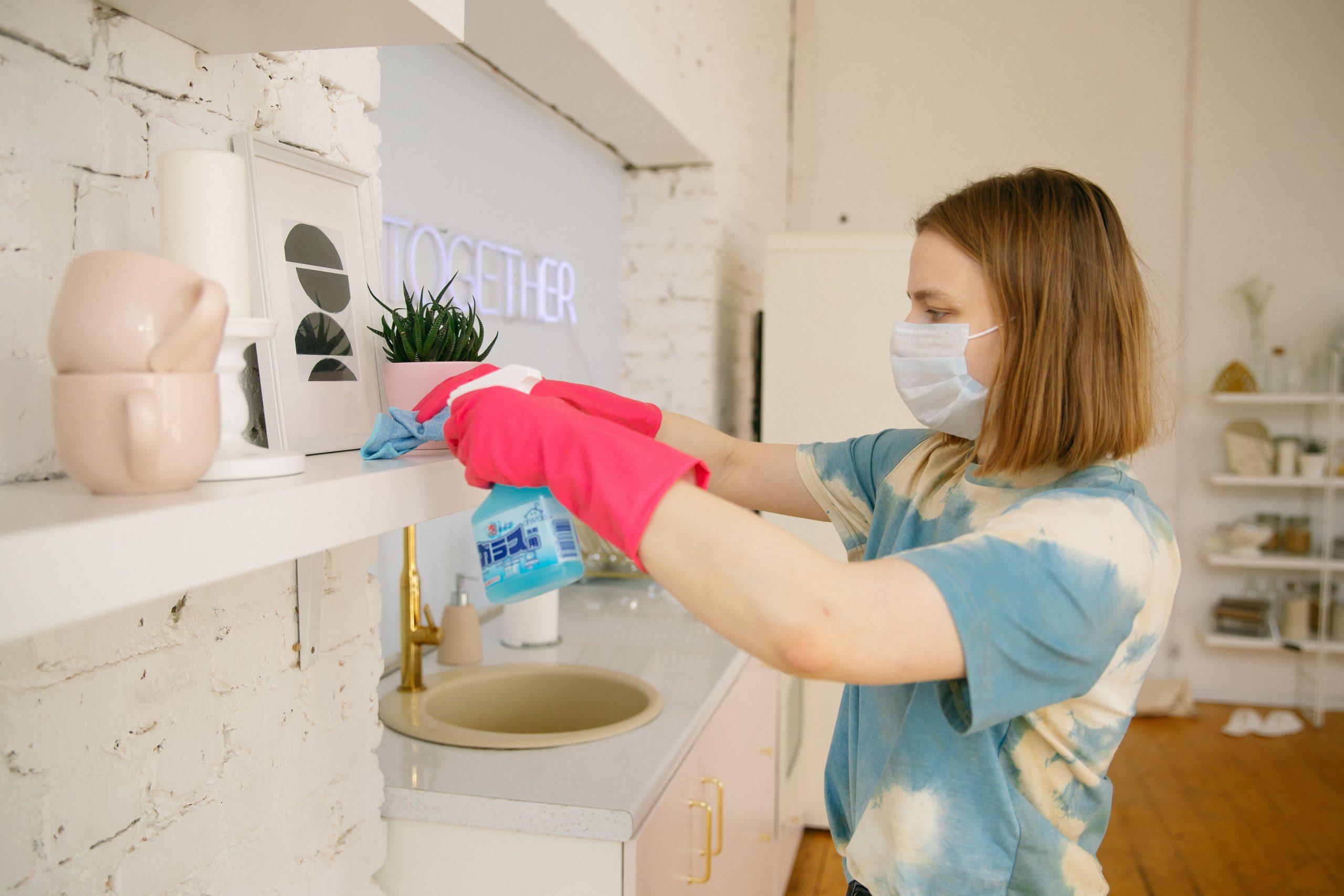
The kitchen is probably the single biggest source of indoor air issues, and most people underestimate it by a mile. Cooking releases fine particles, grease aerosols, and combustion gases, especially if you are using gas. According to NPR, children in homes with gas stoves face roughly a 20% higher risk of developing respiratory illness, which puts a real number on something families often dismiss as minor.
The comparison here is straightforward. You can switch to induction, which eliminates combustion entirely. You can keep gas but commit to running a vented range hood every single time, even for a quick scramble. Or you can crack a window and hope for the best. The first two are legitimate strategies. The third is wishful thinking, especially in winter when nobody opens windows.
Small Swaps That Add Up in the Kitchen
Beyond the stove itself, the kitchen hides a surprising number of smaller sources. Nonstick pans scratched past their prime, plastic food containers heated in the microwave, and scented dish soaps all contribute in quieter ways.
- Replace scratched nonstick cookware with stainless, cast iron, or ceramic
- Store leftovers in glass instead of plastic, especially anything hot or acidic
- Run your range hood on high for the full cooking session and a few minutes after
- Switch to fragrance-free dish soap and skip the “fresh scent” dishwasher pods
- Keep a HEPA-rated air purifier nearby if your ventilation is weak
Each one is minor on its own. Stacked together, they transform the room most families use the most.
Living Room: Furniture, Dust, and Everything You Brought Home
The living room is where comfort collides with chemistry. Sofas, rugs, and curtains are often treated with flame retardants, stain repellents, and finishing chemicals that slowly release into the air for months or years. Compare a brand-new couch to one that has been in your home for five years, and the older one is almost certainly off-gassing less. That is not a reason to keep damaged furniture, but it does argue for buying thoughtfully when you do replace things.
When weighing options, the two main paths are avoidance and management. Avoidance means choosing furniture labeled free of added flame retardants, opting for natural fiber rugs over synthetic, and skipping stain treatments. Management means accepting that some off-gassing is unavoidable in modern homes and focusing on ventilation, dusting, and air filtration to keep levels low. Most realistic households end up doing a mix of both.
Dust itself is a bigger deal than most people realize. It is not just dirt. It collects skin cells, pet dander, pollen, chemical residues, and microscopic plastic particles, all of which get kicked back into the air every time someone sits down on the couch. Vacuuming with a HEPA-filter machine twice a week, washing throw blankets regularly, and wiping hard surfaces with a damp microfiber cloth beats any purifier for this specific problem.
How to Reduce Household Chemicals in the Laundry Area
The laundry room is a stealth polluter. Scented detergents, fabric softeners, and dryer sheets release fragrance chemicals that spread through the whole house via vents and warm fabric. According to the Environmental Working Group, researchers testing common cleaning products identified 530 unique volatile organic compounds, nearly 200 of them hazardous with links to respiratory damage, cancer risk, and reproductive harm. Many of those products live in the laundry cabinet.
Figuring out how to reduce toxins in your home often starts here because it is one of the easiest wins. Switching to a fragrance-free detergent and dropping dryer sheets entirely costs nothing extra and eliminates a huge source of daily exposure. Wool dryer balls handle the softening job without any chemistry at all.
- Choose fragrance-free, dye-free detergent in a concentrated formula
- Skip fabric softener and dryer sheets; use wool dryer balls instead
- Vent your dryer outside, not into the laundry room or garage
- Clean the lint trap every load and the vent hose yearly
- Avoid “air freshener” plug-ins anywhere in the laundry area
A quieter laundry routine means a quieter whole-house fragrance load, since those scents travel on every piece of clothing you wear.
Bedroom: The Room Where Small Changes Matter Most
You spend somewhere between seven and nine hours a night in your bedroom, breathing deeply, with your face inches from your pillow. That makes it the single highest-exposure room in the house per hour. Whatever your mattress, sheets, and pillow are off-gassing, you are getting a concentrated dose.
The comparison between mattress types is worth taking seriously. Conventional polyurethane foam mattresses can off-gas for weeks or months after unboxing. Natural latex, wool, and organic cotton options cost more upfront but release far less into the air. If a full mattress swap is not in the budget, a tightly woven organic cotton mattress cover creates a physical barrier that helps considerably.
What to Look At Beyond the Mattress
Bedding, furniture finishes, and even the paint on the walls all contribute. New furniture made from particleboard or MDF often contains formaldehyde-based adhesives that release gas for a long time. Solid wood, metal, or older secondhand pieces are usually much cleaner choices.
- Wash new sheets two or three times before using them
- Choose organic cotton, linen, or bamboo bedding over synthetic blends
- Air out new furniture in a garage or spare room for a week before bringing it in
- Use low-VOC or zero-VOC paint if you are refreshing walls
- Keep electronics and chargers out of the bedroom when possible
A healthy home starts with the room where you are most defenseless, and thebedroom qualifies on both counts.
Bathroom: Small Space, Big Chemical Load
Bathrooms pack an impressive amount of chemistry into a few square feet. Shampoo, conditioner, body wash, lotion, deodorant, hair spray, toothpaste, and whatever disinfectant sits under the sink all contribute to the air you breathe while standing in a steamy, enclosed space. Steam opens pores and accelerates absorption, which is why the bathroom gets flagged so often in exposure research.
The comparison here is between ingredient swaps and ventilation. Both matter, but they solve different problems. Swapping a fragranced body wash for an unscented one cuts the source. Running the exhaust fan during and after every shower handles the moisture and whatever is already airborne. Skipping one and doing the other leaves half the problem in place.
Mold is the other bathroom story. Warm, damp corners behind the toilet, under the sink, and along grout lines become breeding grounds within days if ventilation is poor. A $15 bathroom fan timer that runs the exhaust for 20 minutes after every shower does more for air quality than most expensive gadgets on the market.
- Run the exhaust fan during showers and for 20 minutes after
- Replace fragranced personal care products one bottle at a time as they run out
- Skip aerosol hairsprays, dry shampoos, and air fresheners
- Wash shower curtains and liners monthly, or switch to a washable fabric liner
- Check caulk and grout quarterly for early mold growth
Working through these habits also helps you avoid some of the common cleaning mistakes that quietly make bathroom air worse, like mixing products or using disinfectant sprays in rooms without any real airflow.
Home Office and Electronics: The Overlooked Zone
The home office barely existed as a category for most households a decade ago. Now it is often a dedicated room filled with printers, laminators, wireless routers, and stacks of paper products that all contribute something. Laser printers release ultrafine particles during printing. New electronics off-gas plasticizers and flame retardants. Thermal receipt paper carries BPA or BPS residues that transfer to hands and surfaces.
The honest comparison is between heavy use and occasional use. If you print a few pages a week, the office is a minor source. If you run a side business cranking out hundreds of pages, the printer belongs in a well-ventilated space or a separate room entirely. Same logic applies to crafting supplies, which quietly release solvents from markers, glues, and resin kits.
- Keep printers in ventilated areas and close the lid or cabinet when not in use
- Store craft supplies in sealed bins rather than open shelves
- Dust electronics weekly, since warm surfaces attract and recirculate particles
- Open a window for a few minutes after long work sessions
- Choose refurbished furniture over flat-pack particleboard when possible
Small habits here pay off because the office is often the room with the worst airflow in the house, tucked into a corner with one small window and a closed door.
Entryway and Garage: Stopping Trouble at the Door
The entryway is the filter between everything outside and everything inside. Shoes track in pesticides, lawn chemicals, road grime, and heavy metals from traffic dust. Coats carry smoke, pollen, and whatever was in the air during your commute. A shoes-off household cuts indoor dust contamination significantly, and the research on this is remarkably consistent.
The garage deserves its own warning. Attached garages leak fumes from cars, gasoline, pesticides, paint, and solvents directly into living spaces through shared walls and ceilings. Compared to any other room, the garage probably has the worst air by a wide margin, and that air does not politely stay put.
- Set up a shoe rack or bench right at the door and actually use it
- Keep a washable entry mat on both sides of the door
- Store paint, gasoline, and pesticides in a shed or detached space if possible
- Never idle a car inside the garage, even with the door open
- Weatherstrip the door between the garage and house to slow fume migration
Building Habits That Stick
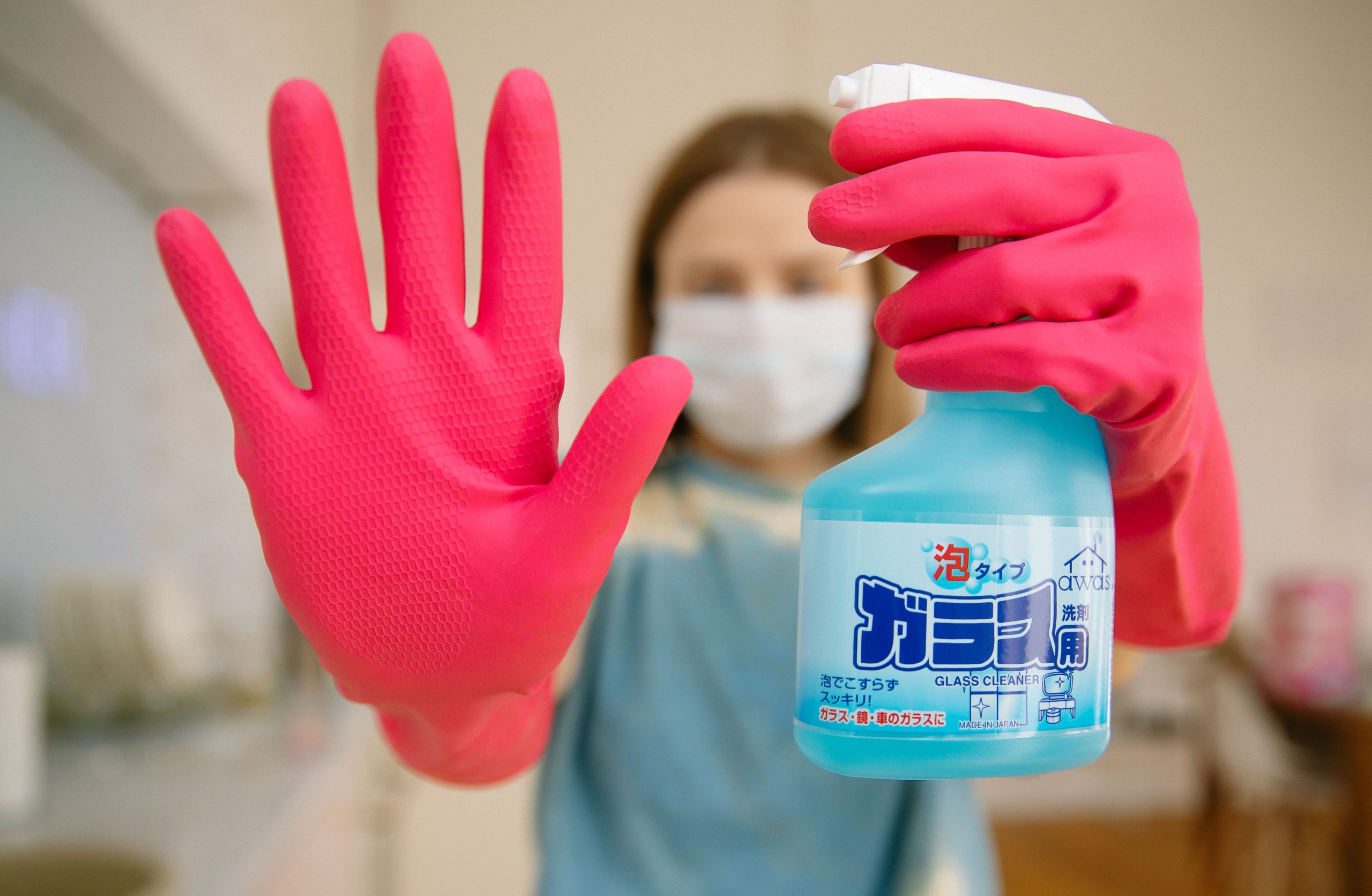
Knowing what to do is easy. Doing it consistently is where most households stumble. The trick is attaching new behaviors to existing routines rather than trying to remember a separate checklist. Run the range hood as automatically as you turn on the stove burner. Kick shoes off as part of walking through the door, not as a separate decision. Wipe down bathroom surfaces while the shower is still running and the fan is already on.
Budget matters too. Nobody can replace every mattress, sofa, and gallon of paint at once. Prioritize by exposure time and proximity to your face. Bedding and pillows come first because you breathe directly into them for a third of your life. Kitchen ventilation comes next because you use it daily. Furniture replacements can wait until the current pieces are genuinely worn out, as long as you are keeping dust and ventilation in check in the meantime.
Conclusion
Cleaning up the air in your house is not a weekend project or a single purchase. It is a slow, steady shift in how you buy, clean, cook, and ventilate, and the payoff shows up gradually in fewer headaches, better sleep, and a lighter sense when you walk through the front door. The room-by-room approach works because it keeps the project manageable. You fix the kitchen this month, the laundry routine next month, the bedroom when the mattress wears out, and before long the cumulative change is enormous.
The households that make real progress are not the ones chasing every new product or gadget. They are the ones who picked two or three habits per room and stuck with them until those habits became invisible. Run the fan. Skip the fragrance. Open a window. Take off the shoes. Choose the glass container. None of it is dramatic on its own, and that is exactly why it works.
Give yourself permission to go slowly. The air inside your walls did not get complicated overnight, and it does not need to get simple overnight either. Start with the room where you spend the most time, pick the easiest swap on the list, and build from there. The space you live in should support you, not quietly work against you, and small consistent choices are what tip the balance back in your favor.